
Historical restoration
Skilled craft that honors the legacy
Preserve century-old character with materials that let walls breathe.
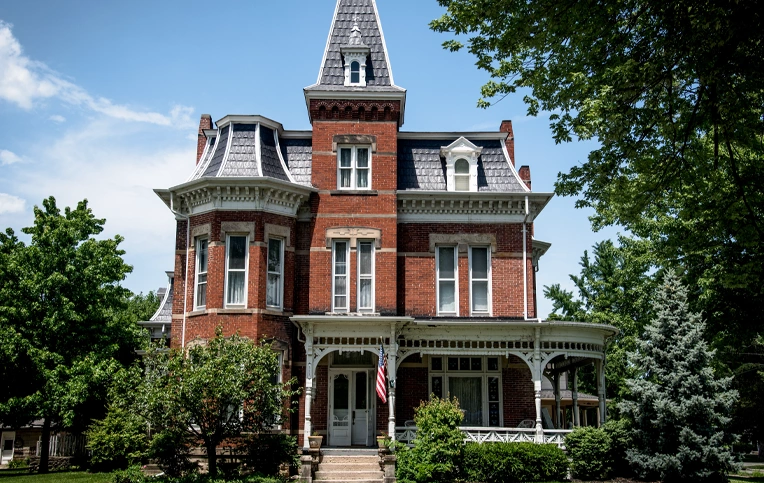
At Cassel Contriving, we specialize in historical masonry restoration with deep respect for craftsmanship and authenticity—whether preserving a century-old home in Northern Ohio, repairing heritage stone and brick, or creating custom features that blend seamlessly.
What we do
- Lime mortar selection & traditional preparation — Natural Hydraulic Lime (NHL) grades 2, 3.5, or 5 matched to the building
- Careful mortar sampling to match binder, proportions, and aggregates
- Repointing that restores joint profiles, depths, and subtle irregularities
- Work aligned with National Park Service / Secretary of the Interior spirit: in-kind, compatible, minimal intervention
Why lime—not hard Portland—on historic walls
Lime mortar is softer, more flexible, and breathable. Moisture can escape and walls can move naturally without damaging softer historic brick or stone. Portland cement is rigid and traps moisture—often the start of spalling and joint failure.
FAQs
Why is lime mortar preferred over Portland cement for historic buildings?
Lime is softer, flexible, and breathable—protecting soft historic units. Hard cement traps moisture and can crack the masonry it’s supposed to hold.
What is “self-healing” in lime mortar?
Through ongoing carbonation, moisture can dissolve calcium compounds that re-precipitate as calcium carbonate, helping seal minor hairline cracks over time.
How do you match the original mortar?
We start with careful sampling and analysis of binder, proportions, and aggregates—then mix to match strength, permeability, color, and texture.
How long does proper repointing last?
With correct lime-based materials and execution, joints often last 30–50+ years—far outlasting mismatched cement repairs.